Military Font Design: Balancing Impact with Playful Aesthetics
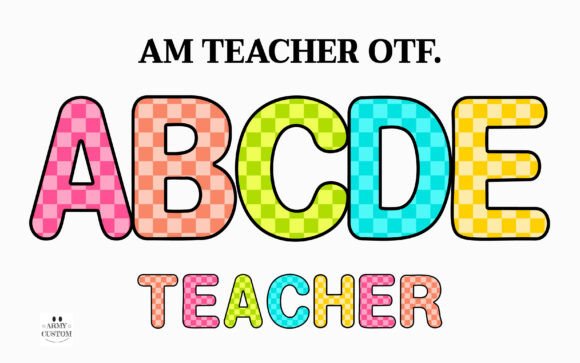
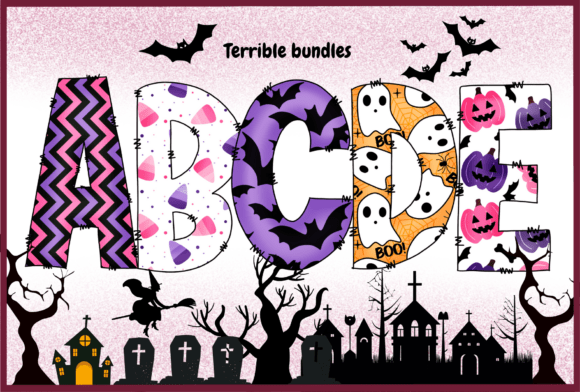
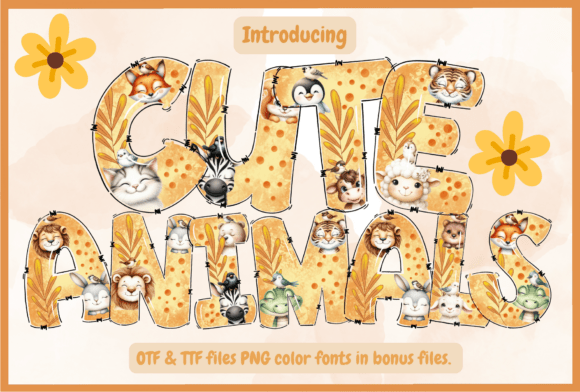
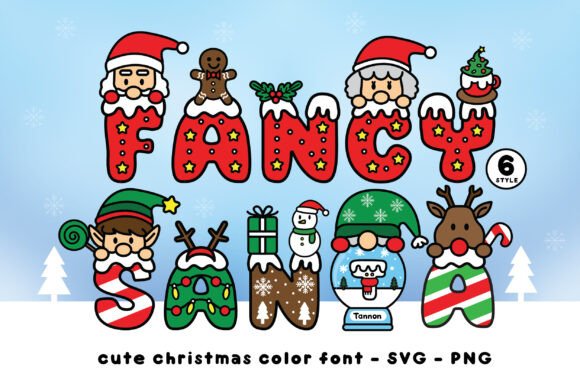
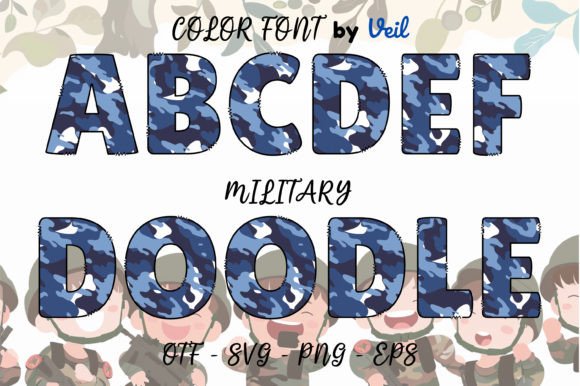
In the world of graphic design, typography is not merely about legibility; it is a powerful tool for setting the mood and conveying personality. While Military fonts often evoke strength, discipline, and authority, there is a fascinating subset of typefaces that blend structured forms with artistic flair. These fonts are frequently utilized in designs aiming to convey a playful or artistic feel, proving that even structured lettering can be whimsical. They are perfect for children’s books, posters, invitations, and greeting cards, where creating an engaging reading experience for young audiences is paramount.
The Versatility of Whimsical Typography
When selecting creative assets for a project, the compatibility of your typography with your overall visual design is crucial. For instance, children’s literature often requires fonts that are colorful, easy to read, and visually stimulating. However, modern design trends also see these playful styles being adapted for branding, social media graphics, and digital marketing materials. The goal is to create a connection with the viewer, and a font that balances structural integrity with a softer aesthetic can significantly improve user engagement.
Technical Considerations for Design Workflow
For designers and creators working with cutting machines or specific software, understanding file compatibility is essential for a smooth design workflow. A common point of confusion involves color fonts versus standard black fonts.
- Standard Compatibility: The black version of a font is generally universally compatible, including with popular platforms like Cricut Design Space and other cutting machines. This ensures that your print design or physical merchandise can be produced without technical hitches.
- Color Font Limitations: It is important to note that the color version of a font is often only compatible with specific design programs such as PhotoShop, Illustrator, Silhouette, and Inkscape. The OTF and/or TTF files of the color version are typically not compatible with Cricut.
Understanding these technical distinctions prevents workflow bottlenecks and ensures that your visual hierarchy remains intact across different media. For a comprehensive breakdown of file types and usage, consulting a dedicated typography guide is always a recommended best practice.
Strategic Applications in Modern Design
Choosing the right typeface impacts far more than just the aesthetic; it influences brand identity and communication clarity. Here is how specialized fonts can be applied across various creative projects:
- Branding and Logo Design: A unique font can define a brand’s personality, making logos memorable and distinct.
- Marketing Materials: From flyers to digital ads, the right typography captures attention and guides the reader through the content.
- Web Design and UI: In user interface design, readability is key, but adding a touch of artistic typography to headers can enhance the user experience (UX) without sacrificing function.
- Packaging Design: On physical products, typography helps the item stand out on the shelf and communicates the product's value instantly.
Evaluating Design Assets
When integrating new fonts into your library, evaluate them based on scalability and consistency. Does the font maintain its integrity when scaled up for a poster or down for a mobile screen? Does it pair well with your existing color palette and imagery? High-quality typography solutions should offer versatility, allowing you to maintain a professional presentation across editorial layouts, merchandise, and advertising campaigns.
Ultimately, the success of any visual design project lies in the thoughtful integration of its elements. By selecting typography that balances playful aesthetics with functional design, creators can produce work that is not only visually stunning but also deeply resonant with their target audience. Quality creative assets are an investment in the clarity and impact of your message.