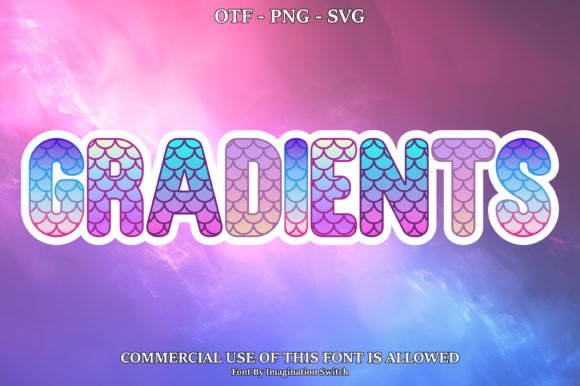
Gradients: The Colorful Font Revolutionizing Modern Design
Imagine a typeface where every letter tells its own chromatic story, transforming standard text into a dynamic visual experience. This innovative font, known as Gradients, does exactly that by applying intriguing, pre-designed color transitions to each character. It’s more than just a set of letters; it’s a complete design asset that introduces unparalleled uniqueness and creativity to your projects, making every word and number stand out with a mesmerizing visual touch.
Understanding the Power of Gradients in Typography
In modern graphic design, typography is a cornerstone of visual communication. Gradients elevates this by merging the structural clarity of a full character set—uppercase, lowercase, and numbers—with the emotional impact of color. This isn't about applying a simple filter; each glyph is meticulously crafted with its own color palette, ensuring consistency and visual appeal across any creative application. For designers, this means having a tool that instantly adds depth, personality, and a contemporary aesthetic to their work.
Practical Applications for Creative Professionals
The versatility of a well-designed gradient font makes it a valuable asset across numerous design disciplines. Its ability to capture attention while maintaining readability is key in today's crowded visual landscape.
- Branding and Logo Design: Use Gradients to create a memorable wordmark or logotype that feels fresh and modern. It can define a brand's personality as innovative, playful, or luxurious, depending on the chosen color spectrum.
- Social Media Graphics & Digital Marketing: In fast-scrolling feeds, gradient typography is a stopper. It enhances engagement on Instagram posts, Facebook ads, and Twitter headers, making promotional messages impossible to ignore.
- Web and UI Design: Apply it to hero sections, call-to-action buttons, or feature highlights to guide the user's eye and create a vibrant, engaging user interface that improves overall UX design.
- Editorial and Packaging Design: From magazine headlines to product labels, gradient text adds a premium, tactile quality that can elevate print design and make packaging stand out on shelves.
- Presentations and Merchandise: Transform mundane slides into professional presentations or design eye-catching merchandise like t-shirts and posters that leverage current design trends.
Integrating Gradient Typography into Your Design Workflow
To harness its full potential, thoughtful application is crucial. Consider these factors when using gradient fonts:
- Visual Hierarchy: Use Gradients strategically for headlines or key phrases. Its strong visual weight makes it ideal for creating a focal point but may overwhelm body text. Balance it with simpler, solid-colored fonts for optimal readability.
- Color Compatibility: Evaluate the font's built-in color palette against your existing brand identity. The colors should complement your primary brand colors, not clash with them, to maintain a cohesive visual system.
- Context and Audience: Ensure the style aligns with your project's goals and audience expectations. A vibrant gradient may suit a tech startup's branding but could feel out of place in a conservative legal document.
- Scalability and Medium: Test how the font renders at different sizes and across various media, from a small mobile screen to a large-format print banner, to ensure the gradient effect remains clear and impactful.
Ultimately, the decision to incorporate a distinctive element like Gradients into your creative projects is about more than following a trend—it's about making a deliberate choice to enhance communication through design. By selecting assets that offer both aesthetic appeal and functional flexibility, designers and creators can build stronger brand identities, deliver more engaging user experiences, and produce work that resonates on a deeper level. In the realm of visual design, such thoughtful choices are what separate the ordinary from the extraordinary, turning simple messages into compelling visual narratives.