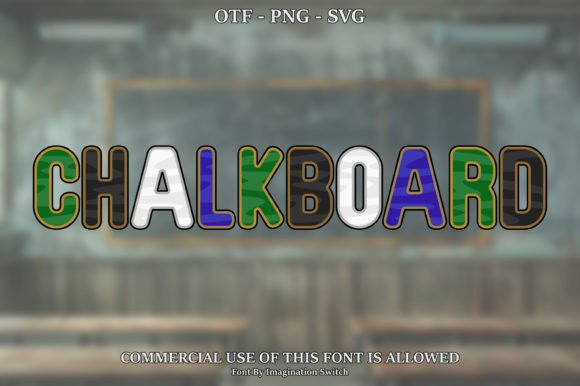
Chalkboard: The Vibrant Font for Creative Design
Imagine transforming a simple headline into a captivating visual statement that immediately grabs attention. The Chalkboard font achieves this by blending the familiar, friendly aesthetic of chalk lettering with a modern, colorful twist. This isn't just another typeface; it's a complete design asset that injects personality and vibrancy into any project, making words and numbers truly stand out.
What Makes Chalkboard a Standout Design Asset?
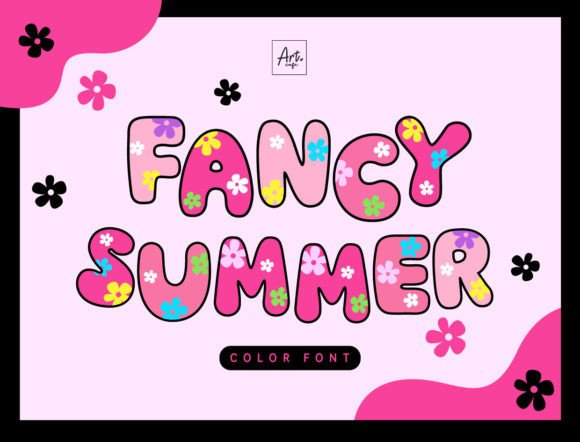
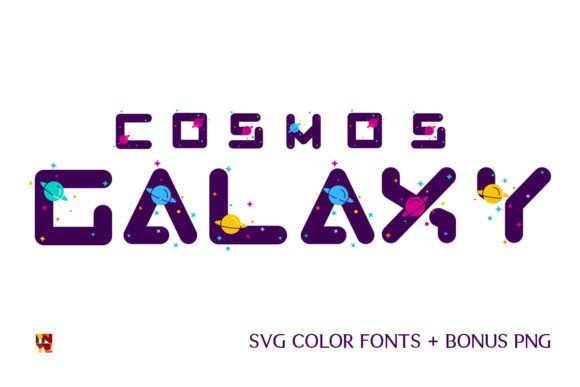
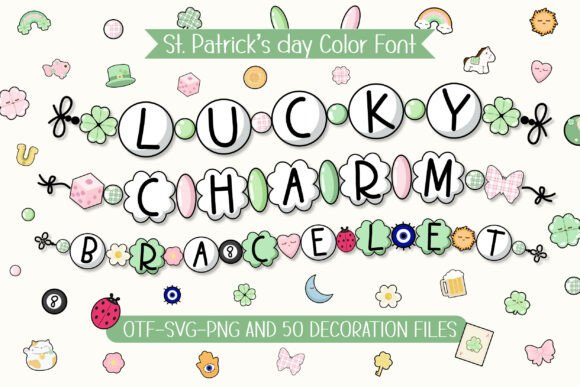
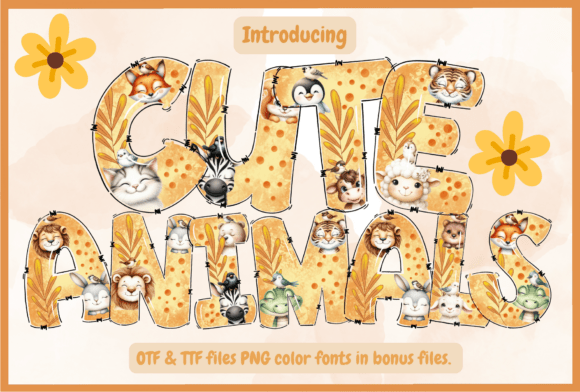
At its core, Chalkboard is a meticulously crafted color font. Each character is designed with carefully chosen colors, creating a mesmerizing visual texture that traditional monochrome fonts cannot replicate. This approach taps into contemporary design trends that favor authenticity, tactile quality, and bold visual communication. For graphic designers, it offers a powerful tool to break through visual clutter and create memorable impressions.
The font includes a complete character set—uppercase, lowercase, numbers, and symbols—providing the flexibility needed for diverse creative projects. Its excellent legibility ensures that while it's visually striking, it never sacrifices clarity for style. This balance is crucial for effective design, where the message must be both seen and understood.
Practical Applications Across Creative Projects
Chalkboard's versatility makes it suitable for a wide array of applications, enhancing both digital and print designs. Here’s how it can be integrated into various design workflows:
- Brand Identity & Logo Design: Use Chalkboard to create distinctive logos or brand marks that convey creativity, approachability, and a hand-crafted feel. It's perfect for brands targeting audiences that value authenticity and playful sophistication.
- Marketing & Social Media Graphics: Stand out in crowded social media feeds with eye-catching headers, quotes, or promotional text. The colorful nature of the font increases engagement and shareability, making it ideal for digital marketing campaigns.
- Web & UI Design: Apply Chalkboard to hero sections, call-to-action buttons, or feature headings to add a unique touch to website design. It can guide the user's eye and enhance the overall user experience through creative visual hierarchy.
- Editorial & Packaging Design: Bring editorial layouts and product packaging to life. It works wonderfully for magazine pull-quotes, book covers, or artisanal product labels where a personal, colorful aesthetic is desired.
- Presentations & Merchandise: Elevate slide decks with memorable titles or design custom merchandise like posters, tote bags, and apparel that feature vibrant, chalk-inspired typography.
Tips for Effective Implementation
To leverage Chalkboard effectively, consider these practical design principles:
- Context is Key: Assess if the font's style aligns with your project's tone and audience. It excels in contexts that welcome creativity and warmth but may be less suited for ultra-formal corporate communications.
- Maintain Visual Hierarchy: Use Chalkboard strategically for headlines or key phrases. Pair it with a clean, simple sans-serif or serif font for body text to ensure readability and create a balanced composition.
- Consider Color Palette: While the font has its own colors, ensure they complement your overall brand color palette. Test it on different backgrounds to guarantee contrast and accessibility.
- Test for Scalability: Always check how the font renders at various sizes, especially for responsive web design or small-scale print applications. Ensure intricate details remain clear.
- File Compatibility: Verify that the color font format is compatible with your design software and intended output (e.g., SVG for web, specific formats for print).
Choosing the right creative assets is a fundamental part of the design process. A resource like Chalkboard demonstrates how thoughtful typography—enhanced with color—can dramatically improve visual communication, strengthen brand identity, and create more engaging user experiences. By selecting high-quality, versatile tools and applying them with strategic intent, designers can consistently produce polished, professional, and impactful work that resonates with their audience.